RTBCA NATIONAL SPECIALTY OCT 9, 2026 HELD IN WEST FRIENDSHIP, MD
Recommended Health testing for chic certification
Progressive RetInal Atrophy
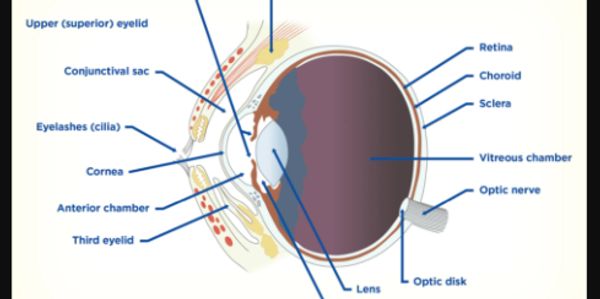
Progressive Retinal Atrophy (PRA) is a group of genetic, non-painful degenerative diseases causing gradual, irreversible blindness in dogs. It typically starts with night blindness (nyctalopia) before progressing to daytime blindness over months or years, as rod and cone photoreceptors in the retina degenerate.
Key Aspects of PRA in Dogs:
- Symptoms: Initial reluctance to go into the dark, hesitance with stairs, dilated pupils, and eventually, total blindness.
- Cause: Hereditary genetic mutations (usually autosomal recessive) that cause the retina to degenerate.
- Breeds Affected: Many, including Labrador/Golden Retrievers, Cocker Spaniels, Poodles, Dachshunds, and Siberian Huskies.
- Diagnosis & Treatment: Diagnosed by a veterinary ophthalmologist, often through electroretinogram (ERG) or genetic testing. No cure or treatment exists to reverse the blindness.
Patella Luxation
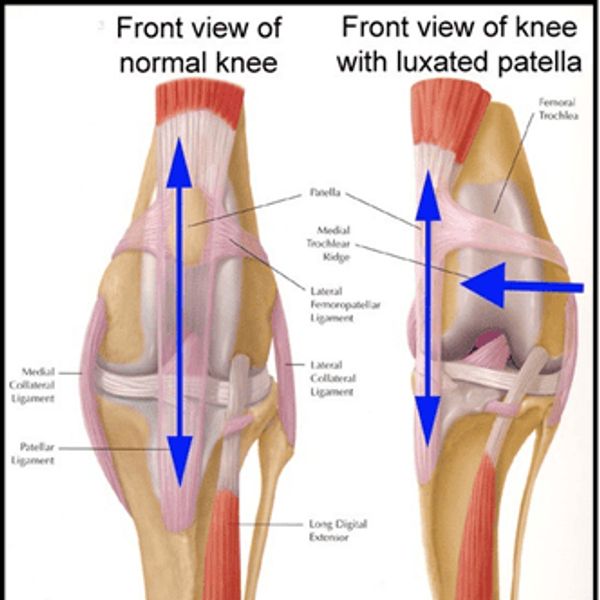
Patellar luxation in dogs is a common orthopedic condition where the kneecap (patella) slips out of its normal groove, often causing intermittent limping, skipping, or "hopping" on one hind leg. It is usually hereditary, common in small breeds, and graded from 1–4 based on severity, with severe cases requiring surgery.
Key Symptoms and Diagnosis
- "Skipping" Gait: The dog may run, suddenly lift one back leg, then walk normally again, often kicking or stretching the leg to force the knee back into place.
- Intermittent Lameness: The leg may appear stiff, and the dog may hesitate to jump or climb stairs.
- Physical Exam: A veterinarian can diagnose this during a physical examination by attempting to manually luxate the patella, often feeling a clicking sensation.
Causes and Risk Factors
- Hereditary/Developmental: Most common, often affecting small, toy, or miniature breeds like Pomeranians, Poodles, and Yorkies.
- Lateral Luxation: The patella slips to the outside, which is more common in large-breed dogs.
- Trauma: A fall or injury can cause the ligaments to stretch, leading to a "sudden" luxation.
Cardiac exam

Common heart problems in dogs include mitral valve disease (common in small breeds), dilated cardiomyopathy (common in large breeds), heartworm disease, and congenital defects. These conditions can lead to congestive heart failure (CHF), causing coughing, fainting, and breathing difficulties. Early detection through regular vet exams is critical for managing symptoms and improving quality of life.
Common Heart Conditions in Dogs
- Degenerative Mitral Valve Disease (DMVD): The most common heart disease in dogs, often affecting small, older breeds like Cavaliers and Dachshunds. The valve leaks, resulting in an enlarged heart.
- Dilated Cardiomyopathy (DCM): Common in large/giant breeds (e.g., Dobermans, Great Danes). The heart muscle becomes weak and thin, reducing its ability to pump blood effectively.
- Heartworm Disease: A preventable parasitic disease spread by mosquitoes, where worms grow in the heart and lungs.
- Arrhythmias: Irregular heartbeats, which can be caused by underlying disease or, in boxers, a specific genetic condition called Arrhythmogenic Right Ventricular Cardiomyopathy (ARVC).
- Congenital Heart Defects: Heart problems present from birth, such as Patent Ductus Arteriosis (PDA) or Ventricular Septal Defect (VSD), often found in young dogs.
- Pericardial Disease: Fluid accumulates in the sac surrounding the heart, restricting its function.
Eye exam annually
Annual eye exams in dogs, often performed as part of annual wellness checkups or specialized CAER/OFA exams, are critical for detecting hereditary, age-related, or progressive ocular diseases early. These screenings evaluate tear production, eye pressure (tonometry), and internal structures (retina/lens) to identify issues like glaucoma, cataracts, and retinal dysplasia.
Key Aspects of Annual Dog Eye Exams:
- Routine vs. Specialized Exams: While your veterinarian checks eyes during annual wellness exams, a "CAER" (Companion Animal Eye Registry) exam is performed by a board-certified veterinary ophthalmologist to detect inherited eye diseases, often required for breeding dogs.
- What to Expect:
- Pupil Dilatation: Drops are applied to dilate the pupils for a better view of the retina.
- Slit Lamp Biomicroscopy: Allows a detailed look at the eyelids, cornea, and lens.
- Tonometry: Measures eye pressure to check for glaucoma.
- Indirect Ophthalmoscopy: Examines the back of the eye, including the retina and optic nerve.
- Why Annual Exams Matter: Many eye diseases are hereditary and may appear later in life, making yearly checks important for breeding pets and seniors.
- When to See a Specialist Immediately: If your dog shows symptoms such as squinting, cloudiness, redness, discharge, or sudden behavior changes (due to vision loss), schedule a, visit as soon as possible.
Optional but recommended

hip Dysplasia
Hip dysplasia in dogs is a common, often genetic, condition where the hip joint develops abnormally, causing looseness (laxity), pain, and eventual arthritis. It typically affects large breeds like German Shepherds and Labradors, resulting in stiffness, limping, and difficulty rising. Management includes weight control, exercise, medication, or surgery.

IVDD
Intervertebral Disc Disease (IVDD) in dogs is a common spinal condition where a disc ruptures or herniates, compressing the spinal cord and causing pain, wobbliness, or paralysis. It is often seen in chondrodystrophic breeds like Dachshunds and French Bulldogs. Treatment ranges from strict rest and medication to surgery, with early diagn
Intervertebral Disc Disease (IVDD) in dogs is a common spinal condition where a disc ruptures or herniates, compressing the spinal cord and causing pain, wobbliness, or paralysis. It is often seen in chondrodystrophic breeds like Dachshunds and French Bulldogs. Treatment ranges from strict rest and medication to surgery, with early diagnosis being crucial for a good prognosis.
Key Symptoms and Diagnosis
- Signs: Intense neck or back pain (crying, reluctance to move), stiff neck, shivering, knuckling on paws, weakness, and dragging hind legs.
- Severity Stages: Ranging from Grade 1 (pain only) to Grade 5 (paralysis with loss of sensation).
- Diagnosis: Veterinarians use physical exams, X-rays, and specialized imaging like MRIs or CT scans to identify the location of the disc material

Dilated cardiomyopathy
Dilated cardiomyopathy
Dilated cardiomyopathy (DCM) in dogs is a serious, progressive disease where the heart muscle becomes thin and weak, reducing its ability to pump blood. It often affects large breeds like Doberman Pinschers, causing heart failure or sudden death. Signs include weakness, lethargy, coughing, and fainting .
Key Facts on Canine DCM
- Pathology:
Dilated cardiomyopathy (DCM) in dogs is a serious, progressive disease where the heart muscle becomes thin and weak, reducing its ability to pump blood. It often affects large breeds like Doberman Pinschers, causing heart failure or sudden death. Signs include weakness, lethargy, coughing, and fainting .
Key Facts on Canine DCM
- Pathology: The heart’s chambers, especially ventricles, dilate (enlarge) and walls thin, preventing effective contraction.
- Common Symptoms: Early stages are often asymptomatic (occult), but progression brings exercise intolerance, rapid/labored breathing, coughing, abdominal swelling (ascites), and collapse.
- High-Risk Breeds: Primarily large and giant breeds such as Doberman Pinschers, Great Danes, Irish Wolfhounds, and Saint Bernards.
- Dietary Link: Certain diets, specifically those labeled "grain-free" containing peas, lentils, or potatoes, have been associated with cases of DCM in dogs.
- Diagnosis & Treatment: Diagnosed via echocardiogram (heart ultrasound) and chest X-rays. Treatment involves medication (like Pimobendan) to manage heart function and congestive heart failure, though it is usually irreversible
